


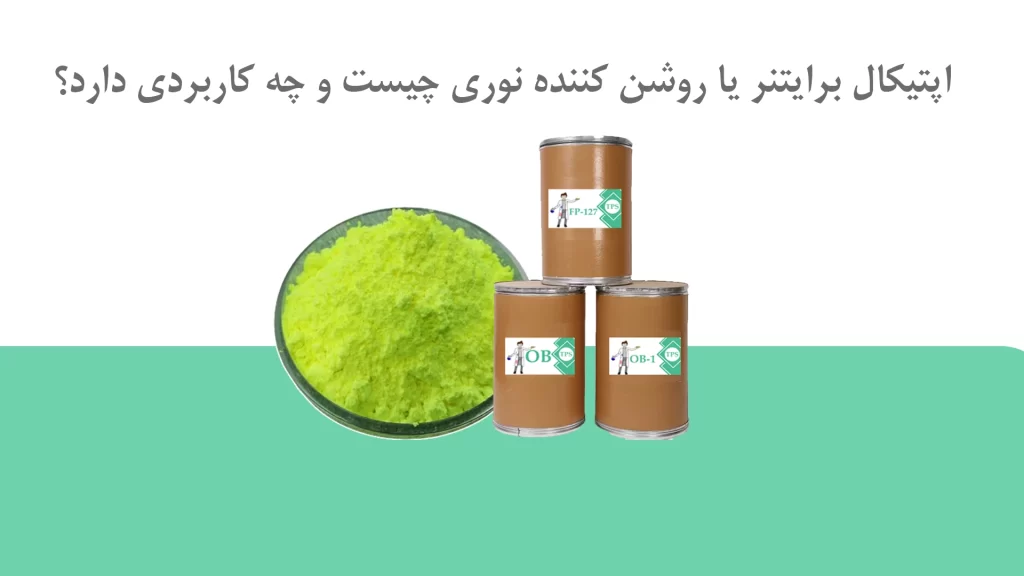
اپتیکال برایتنر مواد شیمیایی سنتزی (مصنوعی) هستند که به عنوان عامل سفید کننده شناخته می شود. این ماده به محلول یا پودرهای شست و شو اضافه می شود تا لباس ها سفیدتر و درخشنده تر به نظر آیند و بنابراین پاکیزه تر به نظر می آیند.
کاربردهای اپتیکال برایتنر
عامل سفید کننده
عامل درخشندگی کاغذ( به عنوان پوشش یا استفاده در بافت داخلی کاغذ)
سفید کننده فیبر( به مواد پلیمری مذاب اضافه می شود)
سفید کننده پارچه
اصلاح کننده و درخشنده کننده رنگ اضافه شده به فرمولاسیون آرایشی (رنگ مو)
این افزودنی اغلب برای بهبود رنگ ظاهری پارچه،کاغذ،پلاستیک ،رنگ ،جوهر پرینتر ،و آرایشی استفاده می شود و موجب سفید شدن آنها می شود. همچنین برای تشخیص نشت فاضلاب ،کمک به روش های تشخیص پزشکی و کشتن آفات کشاورزی استفاده می شود.
اپتیکال برایتنر در بسیاری از کاغذها به ویژه کاغذهایی که درخشندگی زیادی دارند استفاده می شود.
از اپتیکال برایتنر در محصولات آرایشی نیز استفاده می شود. از آن در فرمولاسیون رنگ های خاکستری و بلوند استفاده می شود به صورتی که این روشن کننده نه تنها باعث افزایش روشنایی و درخشش مو بلکه باعث اصلاح وبهبود رنگ نارنجی و زرد مو می شود بدون اینکه مو تیره شود.
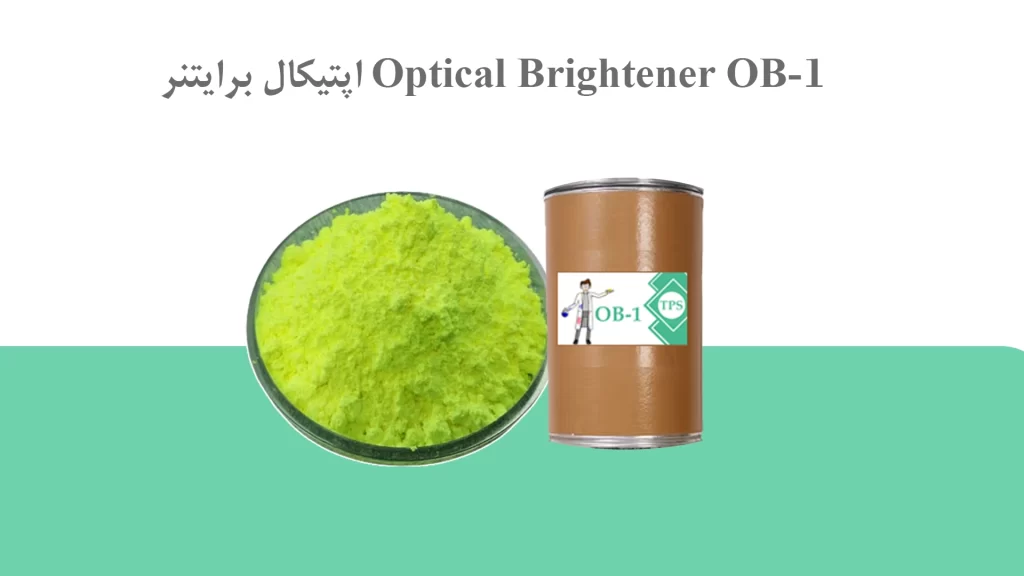
نکات مربوط به فرمولاسیون OB-1
برای اینکه روشن کننده نوری بتواند بهترین عملکرد خود را نشان دهد، بایستی به بهترین نحو در پلاستیک پخش گردد. از آنجایی که مقدار این افزودنی در حد پی پی ام می باشد یکی از راهکارهای اطمینان از کیفیت پخش ساختن مستربچ با غلظت 1 تا 10 درصد و اضافه کردن مستربچ به فرمول می باشد.
میزان مورد نیاز از OB-1 در فرمولاسیون های پلیمر های شفاف به مراتب کمتر از پلیمرهای پشت پوش یا سفید شده با تیتان می باشد. برای پلیمرهای شفاف 25 تا 50 پی پی ام و برای پلیمرهای پشت پوش 100 تا 500 پی پی ام.
اگر در سیستم جاذب یووی وجود دارد احتمالا به درصد بالاتری از جاذب یووی نیاز خواهد بود چون عملکرد روشن کننده نوری با جذب امواج یووی و پس دادن امواج در ناحیه آبی محقق می شود.
استفاده از روشن کننده نوری می تواند ظاهر الیاف پلی استر حاصل از بازیافت پت و همچنین نایلون های درجه 2 را بهبود قابل توجهی بخشد.
OB-1 را صنایع غذایی فقط در جاهایی که محصول تماس مستقیم با ماده غذایی ندارد می توان به کاربرد. بایستی توجه نمود که محتوای روشن کننده نمی تواند بالاتر از 25 پی پی ام بوده و دما نباید بالاتر از 135 درجه سانتی گراد برود.

Hello my friend! I wish to say that this post
is amazing, nice written and come with almost all significant infos.
I’d like to look more posts like this .
Don’t be pushed by your problems; be led by your dreams.
As a new client, I am thoroughly impressed. From the initial detailed consultation to the seamless delivery and exceptional product performance, every step has been professional. The quality of their technical data sheets alone speaks volumes about their standards.
“Having worked in polyolefin coloring for years, I can confirm the critical points about migration resistance. We once had a major failure with a low-grade pigment bleeding in HDPE containers. Proper testing is non-negotiable!”
“The article rightly mentions the push for replacing heavy metal-based pigments. Can you recommend specific high-performance, non-toxic inorganic alternatives for engineering plastics that require excellent weathering resistance?”
My spouse and I stumbled over here different web address and thought I may as well check things out.
I like what I see so now i am following you. Look
forward
Excellent quality and consistency! The color masterbatches from Tose’e Pardis Sabz are vibrant and disperse perfectly in our polymers. Highly recommend to any Russian manufacturer.
Quality articles is the main to interest the people to pay a visit the website, that’s what this web page
is providing.
It’s great that you are getting thoughts from
I simply couldn’t go away your website before suggesting that I actually enjoyed the standard information an individual supply
for your guests? Is gonna be again frequently
First of all I would like to say fantastic blog!Many thanks!
Этот бренд оптического отбеливателя отличный выбор.
Technical documentation helps us compare available grades and determine which option deserves further testing in our formulation.
For industrial plastic applications, we would assess the product’s suitability, recommended dosage and performance under our production conditions.
Optical brighteners can support the desired visual appearance of polymers, but the final result should always be confirmed with practical testing.
When evaluating a new additive, we focus on its compatibility with the formulation and its effect on the finished plastic material.
We look for optical brightener grades with clear technical specifications and suitability for our particular processing conditions.
Freya Campbell
For plastic manufacturing, the final visual result matters. Testing the additive in the intended resin is an important step before making a purchasing decision.
Choosing the right optical brightener requires careful attention to polymer compatibility. We would compare the product’s performance through application-specific trials.
A practical evaluation should consider dosage, resin compatibility and the appearance of the final product before the grade is approved.
We consider the intended plastic application, processing conditions and the required visual result when reviewing additive options.
A structured trial using the target resin and dosage is the most reliable way to assess an optical brightener for an industrial application.
Optical brighteners should be evaluated under the intended processing conditions to confirm the required appearance and material compatibility.
The best grade depends on the polymer and the result required. We would test the optical brightener in the actual formulation before making a decision.
Clear technical details and sample availability can make it easier to evaluate whether an optical brightener is suitable for our production needs.
We are interested in optical brighteners for plastic applications, particularly where the appearance of the final product is important.
For masterbatch applications, compatibility with the carrier resin and the overall formulation needs to be checked carefully.
We would compare the visual result, dispersion and processing behavior before approving an optical brightener for regular use.
The optical brightener grade should be matched to the polymer and processing method. Small-scale trials can help establish the right dosage.
For industrial purchasing, we need product information that clearly describes the intended application and relevant technical parameters.
Technical suitability is the first consideration when choosing an optical brightener. The resin type and intended end use should guide the selection.
We look for practical additive solutions that can be evaluated using our own quality standards and production conditions.
The right additive depends on the specific application. We appreciate technical information that helps compare optical brightener options.
We evaluate optical brighteners based on the target resin, processing conditions and the appearance required in the final plastic part.
Our priority is finding additives that suit the material formulation and maintain the required appearance of the finished product.
For industrial use, we would compare optical brightener grades through controlled trials before choosing one for regular production.
The visual effect of an optical brightener depends on the formulation and processing conditions. Testing in the actual material is essential.
We value suppliers that provide clear product information and help buyers identify the right grade for their intended application.
A suitable optical brightener should be selected according to the polymer type and processing temperature. Technical documentation helps with that decision.
We would assess the optical brightener based on its performance in the target resin and the appearance of the finished plastic product.
For polymer production, we need materials with reliable specifications and a clear application profile. Compatibility testing is always part of our evaluation.
Clear technical specifications make it easier to compare grades and determine whether an optical brightener fits a particular polymer application.
We are interested in solutions that help improve the visual quality of plastic products while remaining suitable for our processing setup.
The final result depends on the polymer, formulation and dosage. We would evaluate any new optical brightener using our own production requirements.
For plastic manufacturing, consistent results and compatibility with the resin are important considerations when selecting an optical brightener.
A useful product description should explain the recommended polymer applications and processing conditions. This makes technical evaluation much easier.
When comparing optical brighteners, we pay attention to performance, processing stability and the effect on the final product’s appearance.
We look for practical solutions for polymer processing, with clear technical information and a grade suited to the intended application.
Product specifications and suitability for the target polymer are key considerations when choosing an optical brightener. TPS is a supplier we would consider for evaluation.
A brighter-looking polymer sample can make a noticeable difference in the finished product. The right grade should always be selected according to the resin and processing method.
For our application, consistency between batches is essential. TPS optical brighteners are a candidate we would assess through standard quality-control procedures.
The optical brightener helped us achieve a cleaner, brighter appearance in our plastic samples. Dispersion and compatibility with our process are important factors for us.
best article best productssssssssss