

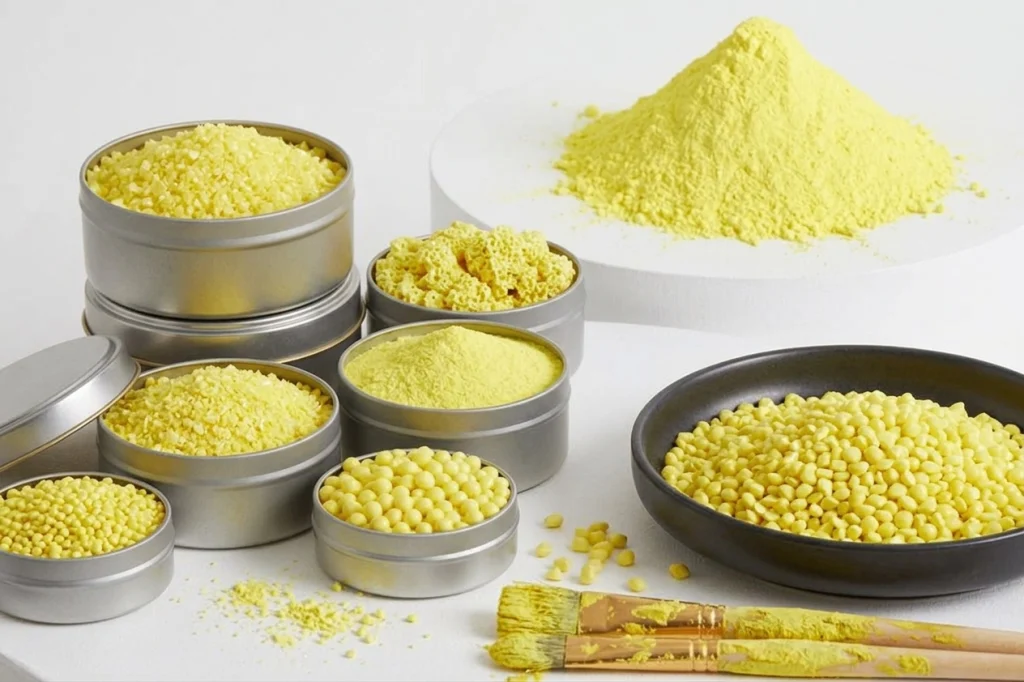
Sulfur Price List and Bulk Import Guide for International Buyers
Sulfur is an important industrial raw material used in sulfuric acid production, fertilizers, rubber vulcanization, agriculture and chemical manufacturing.
For international buyers, the sulfur price list is not determined by a single fixed number. The final purchasing price depends on sulfur grade, purity, product form, packaging, order volume, shipping terms and market conditions.
This guide helps importers understand commercial sulfur forms, technical specifications, pricing factors and supplier evaluation criteria before making bulk purchasing decisions. For background information, consult the USGS sulfur reference.
Sulfur Price List & Import Guide
Key information for international buyers comparing sulfur suppliers and bulk purchasing options.
- Pricing depends on specifications: Sulfur purity, grade, origin, packaging, order volume and freight all influence the quotation.
- Compare product forms: Granular, prilled, lump and powdered sulfur serve different handling and application needs.
- Check technical parameters: Review sulfur content, moisture, ash, impurities and particle size.
- Request documentation: Ask for the applicable Certificate of Analysis (COA), Safety Data Sheet (SDS) and product specification.
- Review the complete import cost: Consider freight, insurance where applicable, port charges, delivery terms and import requirements.
- Request a current quotation: Confirm availability, product specifications and commercial terms with the supplier before placing an order.
Understanding Sulfur Price Lists for International Buyers
Sulfur is traded internationally for a range of industrial and agricultural uses. The quoted price depends on the product specification, the commercial basis of the offer and the delivery destination. Buyers should distinguish between a product price and the total cost of importing and receiving the material.
Why Do Sulfur Prices Change in Global Markets?
Sulfur prices can change because of several market and logistics factors:
- Crude oil and natural gas processing trends.
- Global sulfur supply and availability.
- Transportation and international freight costs.
- Port capacity, handling and shipping conditions.
- Order quantity and contract requirements.
- Packaging type and loading arrangements.
- Regional demand and industrial purchasing activity.
Commercial elemental sulfur is commonly recovered as a by-product of oil and gas processing. For geological and industrial context, refer to the USGS statistical compendium and its sulfur-related information.
Sulfur Grades and Specifications for Bulk Purchase
Common Commercial Sulfur Forms
Commercial sulfur is available in different physical forms. The suitable form depends on the application, handling equipment, storage conditions and buyer requirements.
| Sulfur Form | Typical Characteristics | Common Applications |
|---|---|---|
| Granular Sulfur | Granular particles with defined size requirements, depending on grade. | Fertilizer production and chemical industries. |
| Prilled Sulfur | Small, generally rounded particles designed for convenient handling. | Agricultural and industrial applications. |
| Lump Sulfur | Solid pieces or larger chunks of sulfur. | Industrial processing where lump form is suitable. |
| Powdered Sulfur | Fine particles requiring application-specific handling controls. | Selected agricultural and specialized industrial uses. |
For a general overview of sulfur and sulfuric acid, consult the US Geological Survey sulfur information. Product form, size distribution and packaging should be confirmed against the technical specification supplied for the actual order.
Sulfur Grades & Specifications
Focus on the parameters that determine product suitability, rather than relying on the product name alone.
- Purity: Confirm the sulfur content required for your application.
- Moisture: Check the specified moisture limit and testing method.
- Ash and impurities: Review relevant limits in the product specification.
- Particle size: Verify that the selected form meets handling and process requirements.
- Documentation: Request current technical data and batch-specific quality records where available.
Key Technical Parameters Affecting Sulfur Price
Sulfur Purity
Purity is one of the principal product specifications considered in sulfur purchasing. The required level depends on the industrial application, processing needs and buyer’s specification. Some commercial grades are supplied at purities above 99%, but the applicable value must be confirmed for the specific product.
| Technical Parameter | Why It Matters | What Buyers Should Confirm |
|---|---|---|
| Sulfur Content (%) | Indicates the proportion of sulfur in the supplied material. | Specified minimum content and test method. |
| Moisture (%) | Can affect handling, storage and the material supplied on a weight basis. | Maximum permitted moisture and measurement method. |
| Ash Content | Helps indicate non-combustible residue and impurities. | Maximum ash limit required for the application. |
| Organic Matter | May be relevant to certain industrial specifications and processes. | Required limit and applicable analytical method. |
| Particle Size | Influences handling, conveying and suitability for the intended process. | Required size range and tolerance. |
For general background on elemental sulfur properties, refer to ScienceDirect’s elemental sulfur overview. A general reference cannot replace the specification and Certificate of Analysis for the actual commercial lot.
Sulfur Specification Sheet for Importers
Example Technical Specification Table
The following table provides general reference information about elemental sulfur. It is not a substitute for the specification sheet of the grade you intend to purchase.
| Property | General Reference | Purchasing Consideration |
|---|---|---|
| Chemical Formula | S | Confirm the product identity in the supplier documentation. |
| CAS Number | 7704-34-9 | Use for material identification and document checks. |
| Appearance | Typically a yellow solid | Confirm the actual form supplied: granular, prilled, lump or powder. |
| Purity | Grade-dependent; some industrial grades exceed 99% sulfur. | Request the guaranteed specification and batch COA where available. |
| Melting Point | Approximately 115°C for common sulfur forms, depending on the reference and allotrope. | Use a recognized technical reference for precise physical properties. |
| Solubility | Insoluble in water | Consult applicable chemical safety and handling information. |
For element-level reference data, see the Royal Society of Chemistry sulfur data. Verify the physical properties and grade specifications applicable to the material being purchased.
Factors That Determine Sulfur Import Price
For international buyers, a sulfur quotation may include the product cost and one or more logistics or commercial components. Always clarify exactly what is included in the offered price.
Product Cost
Sulfur grade, purity, origin, product form and required specification influence the supplier’s product quotation.
Logistics Cost
Sea freight, insurance where applicable, port charges, handling and transport to the final destination can affect the total landed cost.
Commercial Terms
FOB or CIF basis, payment terms, order volume and contractual requirements determine how a quotation should be compared.
Packaging and Handling
Packaging type, loading method and any special handling requirements may affect the overall commercial offer.
How to Compare Sulfur Quotations
- Confirm the exact sulfur specification and product form.
- Check the order quantity and packaging details.
- Clarify the quotation currency and whether the price is FOB, CIF or another agreed basis.
- Identify which freight, insurance and port charges are included.
- Confirm the destination, expected shipment schedule and payment conditions.
- Review the applicable import requirements and duties with a qualified customs professional.
How to Select a Reliable Sulfur Supplier
Importers should assess technical documentation, consistency of supply, commercial transparency and the supplier’s ability to manage export requirements.
Importer Checklist Before Purchase
Review these points before approving a supplier or confirming an order.
- Technical data: Request the current product specification or Technical Data Sheet where available.
- Certificate of Analysis: Request a COA for the relevant batch or lot where available.
- Safety information: Obtain the applicable Safety Data Sheet.
- Export documentation: Confirm which shipment and customs documents can be supplied.
- Packaging: Verify packaging type, weight, condition and handling requirements.
- Commercial experience: Check the supplier’s references, communication and ability to clarify trade terms.
- Shipping capability: Confirm destination coverage, expected lead time and delivery arrangements in writing.
A dependable supplier should clearly explain what product is being offered, which documents are available and which commercial terms apply. Product availability, specifications and delivery details should be confirmed before a purchasing commitment is made.
Industrial Applications of Sulfur
Sulfur is used in several industrial and agricultural value chains. The final application determines which physical form, grade and impurity limits should be specified in a purchasing inquiry.
| Industry | Typical Use | Purchasing Considerations |
|---|---|---|
| Sulfuric Acid Manufacturing | Feedstock for sulfuric acid production. | Purity, impurities, handling and plant requirements. |
| Fertilizer Production | Use in fertilizer-related chemical processes. | Required grade, form and plant specifications. |
| Rubber Processing | Sulfur is used in rubber vulcanization processes. | Product specification, handling and process compatibility. |
| Agriculture | Use in selected agricultural and crop-protection products. | Intended use, permitted formulation and applicable regulations. |
| Chemical Manufacturing | Feedstock or reagent in selected industrial processes. | Purity, impurities and process-specific specifications. |
Sulfuric acid production accounts for the principal share of global sulfur use. For additional background, consult the PubChem sulfur information and relevant industrial references. Specific requirements should always be confirmed for the actual end use.
Sulfur Import Guide: Documents Required for International Trade
Buyers should confirm documentary requirements with the supplier, freight forwarder and relevant customs authorities before shipment. The documents required may vary according to the transaction, origin, destination, product specification and applicable regulations.
| Document | Purpose | What to Check |
|---|---|---|
| Commercial Invoice | Records the commercial transaction and declared value. | Seller, buyer, product description, quantity, currency and agreed terms. |
| Packing List | Provides shipment and package information. | Package count, net and gross weight and packaging description. |
| Certificate of Analysis (COA) | Provides test results or quality information for the specified lot. | Product identity, batch reference, tested parameters and results. |
| Safety Data Sheet (SDS) | Provides chemical hazard, handling and safety information. | Product identity, current revision and applicable transport information. |
| Certificate of Origin | Certifies origin where required for the transaction. | Issuing body, origin details and destination requirements. |
Sulfur Import Checklist
Prepare these checks before confirming an international purchase.
- Confirm sulfur grade, product form, quantity and technical specification.
- Review the applicable COA, SDS and other available technical records.
- Verify packaging, shipment details and delivery terms.
- Check destination-country import, customs and transport requirements.
- Confirm that commercial and shipping documents use consistent product and shipment details.
These are common trade documents, not a universal list for every shipment. Confirm the exact requirements with your customs broker, freight forwarder and relevant authorities before dispatch.
Why Choose Pardis Sabz for Sulfur Supply?
Toseaye Pardis Sabz Co., Ltd. serves industrial customers with raw material sourcing and supply solutions. Buyers interested in sulfur can contact the company to discuss their required specifications, purchasing needs and potential supply arrangements.
Experience
Pardis Sabz works with industrial raw materials and supports businesses seeking sourcing and supply information.
Technical Evaluation
Buyers can discuss product specifications, intended application, documentation and supply requirements.
Product Information
Request the available technical documents and details relating to the grade under consideration.
Commercial Discussion
Share the target quantity and destination so the applicable commercial and delivery conditions can be reviewed.
Product availability, specification, price, minimum order quantity, shipment feasibility and export documentation should be verified directly. All final supply terms are subject to confirmation.
Frequently Asked Questions About Sulfur Prices and Imports
Answers to common questions from bulk sulfur buyers and international importers.
What factors affect sulfur price?
Sulfur prices depend on product grade, purity, product form, supply conditions, order volume, packaging, freight and delivery terms. Importers should compare quotations for equivalent specifications and calculate the total landed cost.
What sulfur purity is commonly used for industrial applications?
Industrial sulfur is supplied in different grades, and some commercial grades have sulfur content above 99%. The required purity depends on the application and the buyer’s specification. Always verify the guaranteed value using current product documents and the applicable Certificate of Analysis.
What documents should importers request when buying sulfur?
Importers should request the applicable COA, SDS and technical specification. Commercial invoices, packing lists, certificates of origin and other shipping documents may also be required, depending on the destination and transaction.
What industries use sulfur?
Sulfur is used primarily in sulfuric acid production and also serves fertilizer manufacturing, rubber vulcanization, selected agricultural uses and other chemical processes. The grade and form should be selected for the specific application.
How can I get the latest sulfur price list?
Since prices can change with product specifications, market conditions and logistics, contact a supplier for a current quotation. Include the required grade, purity, product form, order quantity, packaging and destination to obtain a more relevant offer.
What is the difference between FOB and CIF sulfur prices?
FOB and CIF allocate costs and responsibilities differently under the agreed Incoterms. The exact quotation should state the named port and applicable Incoterms version. Clarify which freight, insurance and other charges are included before comparing offers or calculating landed cost.
Which sulfur form should I buy for my application?
The choice between granular, prilled, lump and powdered sulfur depends on the intended process, handling equipment, storage conditions and the required specification. Discuss the application and particle-size requirements with your supplier before finalizing the grade.
Request a Sulfur Price List and Bulk Supply Information
Looking for updated sulfur pricing, technical specifications or bulk supply options? Contact Toseaye Pardis Sabz to discuss your requirements and request available product information, commercial terms and export details.
Get Your Sulfur Price QuotePhone: +98 910 317 2750
Email: Tech02@pardissabz.com
Website: pardissabz.com/en
Price, product availability, technical suitability and shipping terms must be confirmed with the supplier before an order is finalized.
Bulk sulfur buyers should compare technical specifications, price basis, logistics options and supplier documentation before purchasing. A current quotation should be based on the required grade, quantity, destination and agreed delivery terms.

